
…and that's where most people get it wrong. They buy a cheap, five-dollar battery from a gas station, screw on a premium dispensary cartridge, and then wonder why it tastes like burnt hair and nothing else.
If you're looking at a pile of glass tubes and metal pins, you're looking at the most standardized setup in the industry. It's a simple mechanical connection, but the physics behind it dictate whether your experience is actually good. If you want to understand why your flavor is disappearing or why your hits feel weak, you have to look at the voltage and the connection quality.
The industry relies on a specific type of screw-on connection. It's the universal language of the vaping world. This standardization is the only reason you can walk into a dispensary, buy a cartridge, and have it actually work with the device you already own. Without these specific threads, the market would be a chaotic mess of proprietary plugs that wouldn't work with anything else.
It really comes down to precision. A loose connection means inconsistent heat. Inconsistent heat means uneven vaporization. Uneven vaporization means you're wasting expensive oil. It's that simple.
The Mechanics of Universal Threading
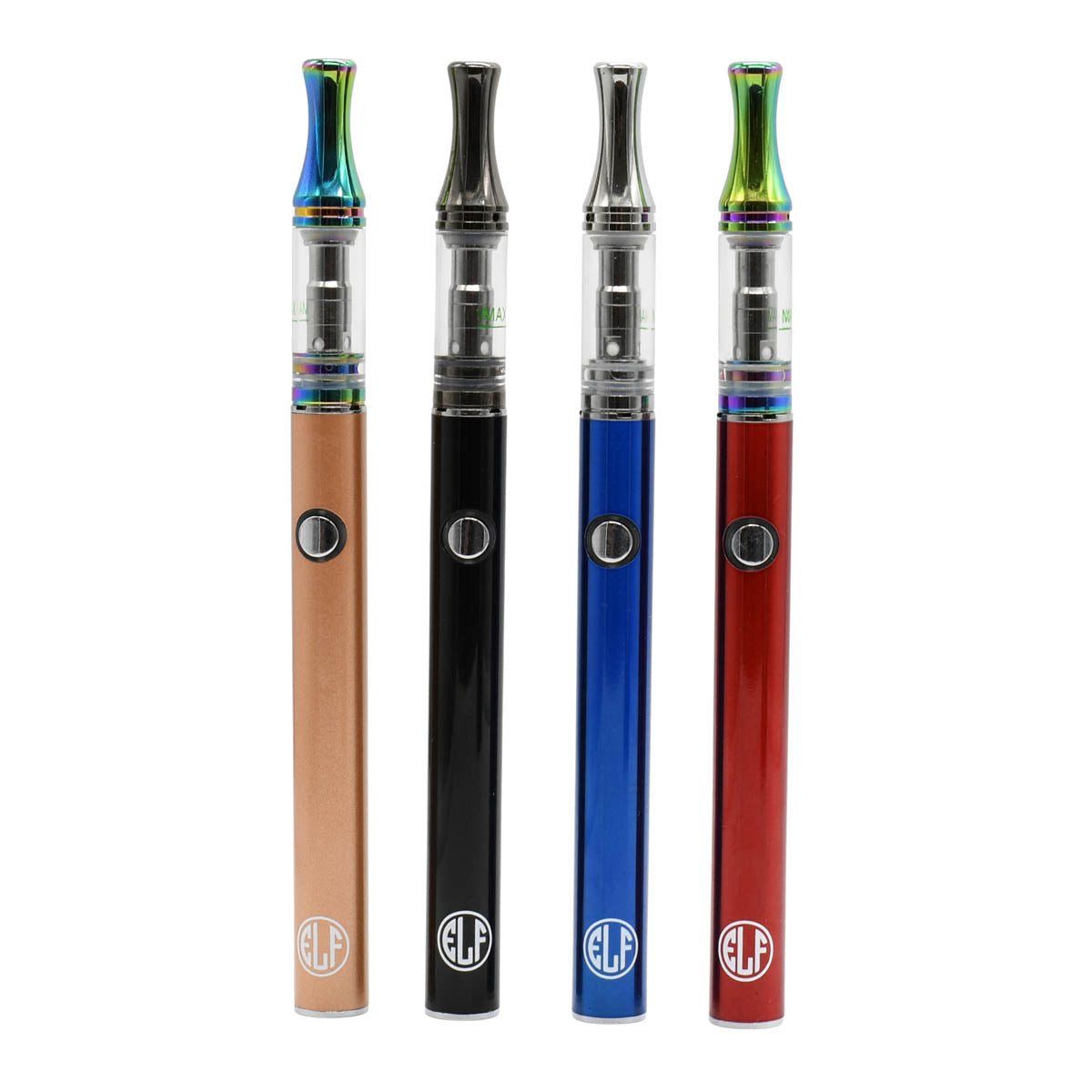
A 510 thread battery is basically a rechargeable lithium-ion power source. It uses a standardized screw thread that fits almost all vape cartridges on the market. The brand of the oil doesn't have to match the brand of the battery, so you have the freedom to swap things out. This flexibility is why the 510 system became the standard for people who want to customize their session.
The "510" part refers to the thread diameter. It's a tiny measurement, but it's the foundation of everything. When you screw a cartridge onto a battery, you're creating an electrical circuit. The bottom pin of your cartridge has to make clean, direct contact with the positive terminal of the battery. If there's even a microscopic gap, you’re going to have a bad time. I once saw a guy try to fix a loose connection by stuffing a tiny piece of cotton in the bottom of a cartridge. It worked for five minutes before he turned his battery into a smoke machine.
You'll see a few different styles of these devices. Some people prefer the slim pens that look like a thick cigar. Others like the compact box mods that offer more control. You can even find key-fob styles for people who want to keep their gear discrete. Regardless of the shape, the electrical job remains the same: sending a specific amount of energy through a tiny coil inside that glass tube to turn oil into vapor.
The variety of designs is actually helpful. If you're a heavy user, you might want a device with a larger battery capacity so you aren't hunting for a USB port every three hours. If you carry a small clutch or a tiny pocket, you’ll want something minimalist. The tech stays the same, but the ergonomics change based on how you live your life.
If you want a high-end experience, the hardware you choose will dictate the flavor profile. 510 thread vapes are the most common way to consume THC, CBD, or Delta 8 oils. When you use a Core Series Vessel, you're getting a device built for a specific level of precision. High-quality hardware prevents that "burnt" taste that comes from a battery that sends too much juice too fast.
Voltage control is the secret. Cheap batteries usually only have one setting: "On." This is a disaster for high-potency oils. If you hit a thick distillate cartridge with 4.2 volts immediately, you'll scorch the wick. You need a device that allows you to dial the heat up or down. It's the difference between a controlled burn and a wildfire.
Voltage, Heat, and Flavor Profiles
You need to understand the relationship between heat and what you're actually inhaling. Most 510 cartridge batteries feature variable voltage. This isn't just a luxury; it's a necessity. Different oils require different temperatures to vaporize properly without breaking down the terpenes.
Terpenes are what give your oil its smell and taste, and they are very delicate. If you crank the voltage too high, you destroy the terpenes and end up tasting burnt cotton. If the voltage is too low, you won't get a full cloud, and you might feel like you aren't getting the effect you expected. You have to find the "sweet spot" for every new cartridge you buy. It takes a little bit of trial and error, but it's worth it.
Here is a quick breakdown of how different voltage settings generally affect your experience:
- Low Voltage (2.0V – 2.8V): Best for high-terpene live resin or live rosin. This preserves the flavor and provides a subtle, nuanced hit.
- Medium Voltage (3.0V – 3.5V): The standard for most distillates. This offers a good balance of flavor and vapor production.
- High Voltage (3.7V+): Good for thick oils or when you need a massive cloud, but you risk scorching the wick if you overdo it.
I remember testing a new batch of lemon-flavored distillate. I started at 3.8 volts and it tasted like burnt rubber. I dropped it down to 2.8 volts and it tasted like actual lemons. That difference is entirely down to the battery settings. If you want to get serious about flavor, you need a device with a digital display or a very reliable button system that allows for these precise adjustments.
The battery itself has to be reliable, too. If the voltage fluctuates because the battery is old or cheap, your hits will be inconsistent. You don't want a device that starts at 3.0 volts and then drops to 2.5 volts halfway through your puff. That makes it impossible to find a consistent setting. Look for a device that maintains a steady current. It makes a massive difference in how the oil reacts to the heat.
Comparing Hardware Styles
Not all 510 devices are created equal. Depending on your lifestyle, you're going to favor one form factor over another. It isn't just about aesthetics; it's about how often you'll be charging it and how much you want people to notice you're using it. The market has responded by creating several distinct categories of hardware.
The pen style is the most common. These are slim, cylindrical, and easy to slip into a pocket. They're the workhorse of the industry. However, because they're thin, they often have smaller batteries. This means you might be charging them more frequently. If you're the type of person who forgets to charge your phone, you might find a pen frustrating. You'll be constantly tethered to a wall outlet.
Then you have the box mods. These are slightly larger and heavier, but they're much more powerful. They usually have a screen that tells you exactly what voltage you are running. If you're a connoisseur who wants to experiment with different temperature profiles for different cartridges, a box mod is the way to go. They're much harder to lose in a couch cushion, but they're definitely less discreet.
Here's a quick comparison to help you decide which way to go:
| Device Type | Best For | Pros | Cons |
|---|---|---|---|
| Slim Pen | Portability | Discreet, fits in pockets | Smaller battery, less control |
| Box Mod | Performance | Precision, long battery life | Bulky, less discreet |
| Key Fob | Everyday Carry | Extremely portable | Very limited battery |
The key-fob style is a niche product, but it's growing. It’s meant for the person who just wants a quick hit while they're on the go, not for a long session on the porch. It’s a utility tool, nothing more. You have to match the hardware to your actual usage patterns. Don't buy a heavy box mod if you're only using it once a day, and don't buy a tiny key-fob if you're a heavy smoker.
Then there's the question of charging. Most modern 510 batteries use USB-C now, which is a huge relief. It means you can use the same cable as your phone. Avoid anything that uses those old micro-USB ports if you can help it. It is just one more thing to keep track of, and you will eventually lose the cable. Stick to USB-C for everything. It makes your life significantly easier.
Avoiding the Common Pitfalls
Even with the right gear, you can still ruin the experience. The most common mistake is "chain vaping." This is when you take hit after hit without giving the cartridge a break. When you do this, you heat the oil continuously. The wick stays hot, and eventually, you start burning the oil itself. Once that happens, the flavor is gone forever, and you're just inhaling acrid smoke.
You also need to watch out for poor connections. Sometimes, a cartridge might feel slightly loose on the battery. This is usually because the center pin on the battery is too low. Many high-quality batteries allow you to very gently pull the pin up slightly to ensure a better connection. If you don't have a way to fix this, you might think your cartridge is dead when it's actually just a mechanical mismatch. Be careful, though; if you pull too hard, you'll break the pin entirely.
Cleaning your gear is another area where people fail. Residue builds up around the threads. This residue can conduct electricity or, more likely, it can prevent a clean connection. A simple Q-tip with a little bit of isopropyl alcohol is usually enough to keep the connection point clean. If you let oil build up around the threads, it gets sticky, and then you're going to have a nightmare of a time trying to unscrew your cartridge in the future.
Finally, be aware of your environment. Heat is the enemy of oil. If you leave your vape pen in a hot car, the oil will thin out and might leak out of the bottom of the cartridge. This is a mess that is very difficult to clean. If you're traveling, keep your gear in a cool, dry place. It preserves the potency and the flavor. It’s basic maintenance, but most people ignore it until their expensive cartridge is a puddle of oil in their bag.
You might still be thinking that all 510 batteries are essentially the same and that buying a premium one is a waste of money. But if you've ever spent thirty dollars on a high-end distillate cartridge only to ruin it with a cheap, unregulated battery, you know that's not true. The hardware is the foundation of the entire experience.